Why Certain S.W.A.T. Episodes Hit Harder Than Anyone Expected dt02
Why Certain S.W.A.T. Episodes Hit Harder Than Anyone Expected
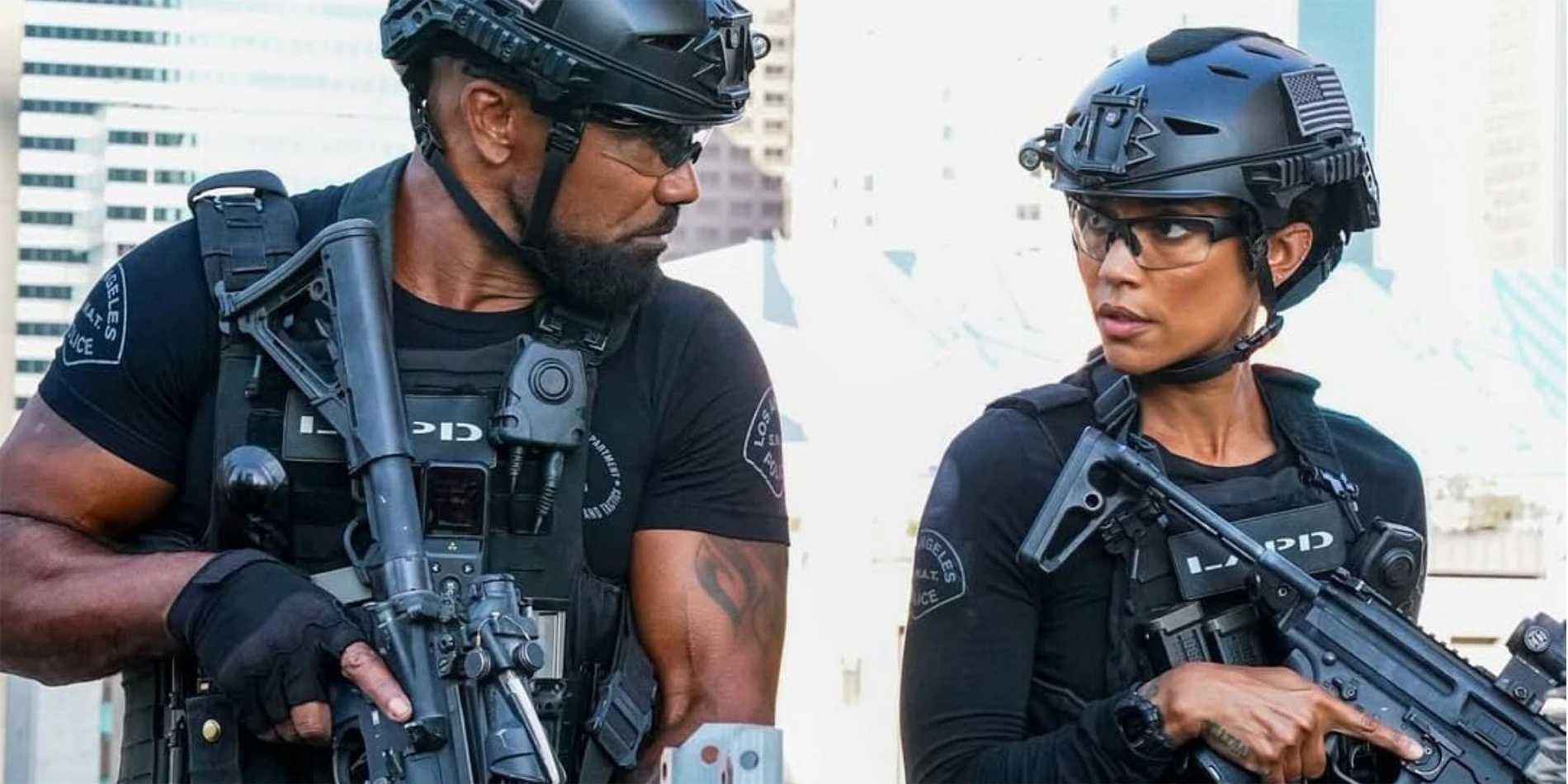
For many fans, S.W.A.T. is known primarily for its high-octane action sequences, intense tactical missions, and gripping police drama. Explosions, hostage situations, and fast-paced chases are all part of the show’s DNA. Yet over the years, viewers have discovered that some episodes hit far deeper emotionally than anyone anticipated.
Instead of focusing solely on action, the series has often delivered powerful stories about identity, loyalty, trauma, and community. These moments have transformed certain episodes from simple crime-drama installments into unforgettable television experiences.
The emotional weight behind the action
One reason S.W.A.T. resonates so strongly with audiences is that it balances spectacle with emotional storytelling. While each mission brings tension and danger, the writers often use these situations to explore the personal struggles of the characters involved.
At the center of this emotional depth is Daniel ‘Hondo’ Harrelson, played by Shemar Moore. Hondo frequently finds himself caught between two worlds—his role as a law-enforcement leader and his loyalty to the community he grew up in.
This internal conflict allows the series to tackle complex issues that go far beyond a typical police procedural.
Episodes that confront real-world issues
Several of the show’s most powerful episodes focus on topics that mirror real-world challenges. From community trust and social justice to mental health and systemic pressures within law enforcement, the series doesn’t shy away from difficult conversations.
By weaving these themes into the storyline, the show gives viewers something deeper to think about. Instead of presenting heroes and villains in simple terms, S.W.A.T. often shows how complicated these situations can be.
That complexity is what makes certain episodes unexpectedly emotional.
Character-driven storytelling
Another reason some episodes hit harder than expected is the show’s focus on character development. The members of the team are not just action heroes; they are individuals dealing with personal struggles, relationships, and life outside of their demanding jobs.
Characters such as Chris Alonso, Street, Deacon, and Tan have all experienced storylines that explore their vulnerabilities.
These moments allow audiences to connect with the team on a human level. When danger strikes during a mission, viewers are not just watching an action scene—they are worried about characters they have grown to care about.
The power of unexpected twists
In many cases, the emotional impact of an episode comes from a sudden twist. The show often builds tension around a mission before revealing something shocking or heartbreaking that changes the entire tone of the story.
A rescue operation might turn into a tragedy. A suspect might reveal a deeply personal motive. A seemingly routine call could expose a larger societal problem.
These twists remind viewers that the world of S.W.A.T. is unpredictable, and that even the most skilled team cannot control every outcome.
Strong performances from the cast
The emotional weight of these episodes is also carried by the cast’s performances. Actors in S.W.A.T. frequently deliver scenes that feel authentic and raw.
Shemar Moore’s portrayal of Hondo, in particular, has earned praise for capturing the character’s leadership strength while also showing vulnerability. Whether he is confronting a personal dilemma or supporting a teammate through crisis, Moore brings a level of intensity that resonates with viewers.
The rest of the ensemble cast contributes equally powerful performances, helping to create scenes that feel genuine rather than purely dramatic.
When action meets personal stakes
One of the defining qualities of S.W.A.T. is how it blends action with personal consequences. Missions are rarely just about stopping criminals; they often involve situations that affect the characters emotionally.
For example, a hostage situation might involve someone connected to a team member’s past. A dangerous investigation might reveal secrets that challenge the team’s sense of justice.
By raising the personal stakes, the show ensures that viewers remain emotionally invested.
The importance of teamwork
Another theme that often makes certain episodes especially impactful is the bond between team members. The unit functions not only as a professional group but also as a family.
When one member faces danger or personal hardship, the rest of the team rallies around them. These moments of solidarity reinforce the idea that their strength comes from unity.
For audiences, watching these relationships evolve adds an emotional layer to every mission.
Fans respond to the emotional depth
Over time, viewers have come to expect that some episodes of S.W.A.T. will leave them reflecting long after the credits roll. Discussions on social media frequently highlight the moments that struck fans the hardest—scenes that were unexpectedly moving or thought-provoking.
These reactions show that the show has succeeded in creating more than just thrilling television. It has built a community of viewers who care deeply about the characters and their journeys.
A show that goes beyond action
At first glance, S.W.A.T. might appear to be a straightforward action drama. But beneath the adrenaline-filled missions lies a series willing to explore complex human emotions and real-world dilemmas.
That willingness is what allows certain episodes to resonate so strongly with audiences.
Why the impact lasts
Ultimately, the reason some S.W.A.T. episodes hit harder than expected is simple: they remind viewers that behind every badge, every mission, and every moment of action are human stories.
Through strong writing, compelling performances, and thoughtful storytelling, the show transforms intense situations into meaningful experiences.
For fans of the series, those emotionally powerful episodes are often the ones they remember most—and the ones that prove why S.W.A.T. continues to stand out in the world of television drama.