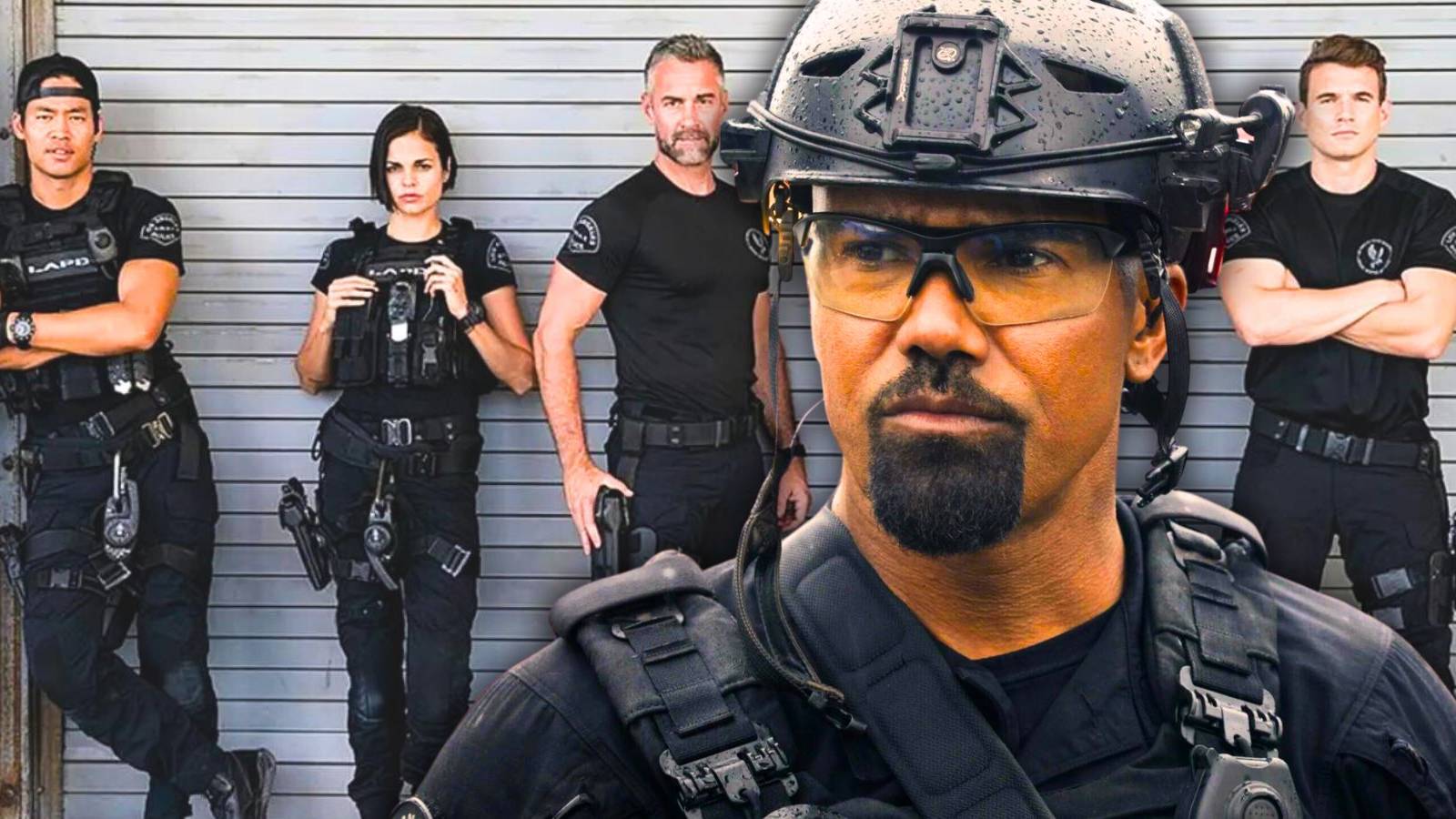
Why CBS Really Canceled S.W.A.T. — And It Has Nothing to Do With Ratings dt02
💰 1. It all comes down to money
Even though S.W.A.T. maintained solid viewership, it had become increasingly expensive to produce.
- Large ensemble cast
- Action-heavy scenes (stunts, спец effects, locations)
- Rising actor salaries after multiple seasons
Over time, the cost of making each episode grew significantly. For a network like CBS, profitability matters more than just ratings. If a show costs too much compared to what it earns, it becomes a difficult investment to justify.
📉 2. Licensing and ownership issues
Another major factor: who actually owns the show.
S.W.A.T. is produced by Sony Pictures Television, not CBS itself. That means:
- CBS pays a licensing fee to air it
- Long-term profits (like streaming and syndication) benefit Sony more
Networks increasingly prefer shows they own in-house, because they keep more of the revenue. From a business standpoint, continuing S.W.A.T. meant CBS was spending money without maximizing long-term returns.
🔁 3. Changing TV strategy
The television landscape has changed dramatically.
CBS—and networks in general—are:
- Prioritizing cheaper, scalable content
- Investing more in streaming platforms
- Looking for shows with long-term franchise potential
Even a stable show like S.W.A.T. can be cut if it doesn’t align with future strategy.
🎭 4. Cast contracts and timing
By later seasons, contracts often come up for renegotiation. That usually means:
- Higher salaries
- More complex negotiations
- Increased production risk
At a certain point, networks decide whether to double down or move on. In this case, CBS chose to move on.
😮 5. The “cancel-save-cancel” saga
What makes this situation even more dramatic is that S.W.A.T. wasn’t just canceled once.
- First cancellation shocked fans
- Then it was briefly renewed after backlash
- Then canceled again
This rollercoaster reflects just how complicated the decision was behind the scenes.
🧠 So… it really wasn’t ratings?
Exactly.
S.W.A.T. wasn’t canceled because nobody was watching—it was canceled because:
- It was expensive
- CBS didn’t fully own it
- The network is shifting strategy
In today’s TV industry, being popular isn’t always enough.
🔥 Final Take
The end of S.W.A.T. is a perfect example of how modern television works.
Behind every cancellation is a business decision—and in this case, it had far more to do with money and control than with audience demand.
For fans, it’s frustrating. But for networks like CBS, it’s all about the bigger picture.