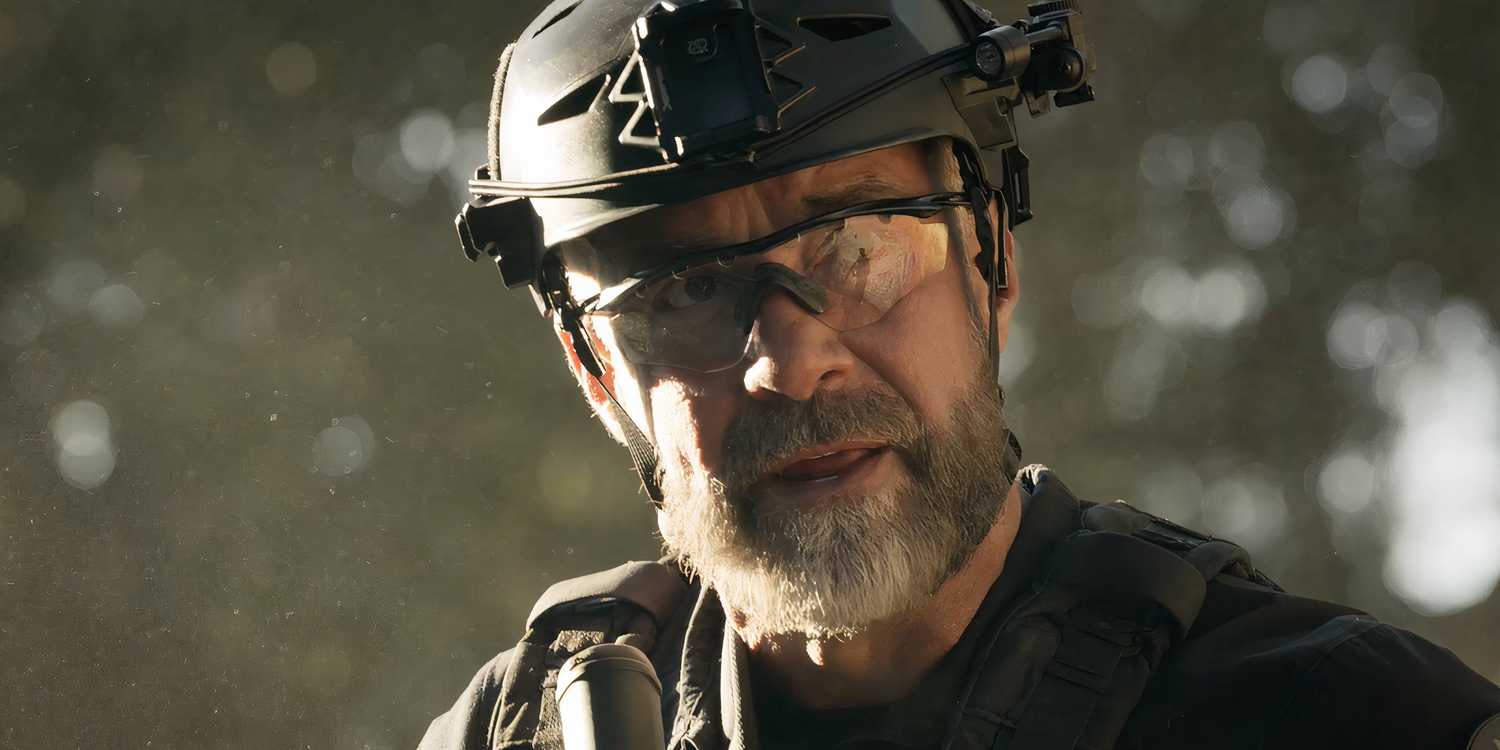
“Movie Hondo vs TV Hondo: Why Fans Still Debate the Ultimate S.W.A.T. Leader” dt02
🎬 Movie Hondo vs TV Hondo: Why Fans Still Debate the Ultimate S.W.A.T. Leader
Few characters in modern action storytelling have sparked as much debate as Sergeant Daniel “Hondo” Harrelson. Brought to life in two very different ways — once on the big screen and later on television — Hondo has become a symbol of leadership, loyalty, and moral strength. But the question fans still argue about is simple: who is the ultimate Hondo?
Is it the cinematic version played by Samuel L. Jackson in the 2003 film S.W.A.T.? Or the more deeply developed TV version portrayed by Shemar Moore in the CBS series S.W.A.T.?
Let’s break down why this debate refuses to die.
💥 Two Versions, One Iconic Character
Both versions of Hondo share the same foundation: a skilled, disciplined leader tasked with commanding elite tactical teams under extreme pressure. But beyond that, the differences begin to emerge.
-
Movie Hondo (Samuel L. Jackson) is sharp, commanding, and no-nonsense. He’s the kind of leader who gets results quickly and doesn’t waste time on emotional reflection.
-
TV Hondo (Shemar Moore), on the other hand, is layered, introspective, and deeply connected to his community. His leadership extends beyond the battlefield into social and personal realms.
🎯 Leadership Style: Authority vs Empathy
One of the biggest differences lies in how each Hondo leads.
Samuel L. Jackson’s Hondo:
-
Commands respect instantly
-
Focuses on mission success above all
-
Operates with a strong, authoritative presence
Shemar Moore’s Hondo:
-
Builds trust within his team
-
Balances authority with empathy
-
Faces moral dilemmas that shape his decisions
For many fans, this is the heart of the debate. Do you prefer a leader who acts decisively without hesitation, or one who weighs every consequence?
🧠 Character Depth and Development
The format plays a huge role here.
A two-hour film like S.W.A.T. (2003) doesn’t allow for extensive character exploration. As a result, movie Hondo is:
-
Direct
-
Efficient
-
Less emotionally exposed
In contrast, the TV series S.W.A.T. spans multiple seasons, giving Shemar Moore’s Hondo the space to evolve. Viewers see:
-
His struggles with identity
-
His relationship with his community
-
His internal conflicts as a Black officer in law enforcement
This added depth makes TV Hondo feel more human — and for many, more relatable.
🔥 Action vs Emotion
Both versions deliver intense action, but the tone differs.
-
The movie version is fast-paced, explosive, and focused on high-stakes missions
-
The TV version blends action with emotional storytelling, often tying cases to real-world issues
Fans who love pure action tend to favor the film, while those who enjoy character-driven drama lean toward the series.
🌍 Cultural Impact
Interestingly, both versions have left their mark — just in different ways.
-
Samuel L. Jackson’s Hondo helped define the modern action-hero leader archetype in early 2000s cinema
-
Shemar Moore’s Hondo has become a symbol of representation and nuanced storytelling in television
The TV version, in particular, resonates with audiences looking for stories that reflect real societal challenges.
💬 Why the Debate Continues
The reason fans still argue about the “ultimate Hondo” is simple:
👉 Both versions succeed — just in different ways.
-
One represents classic action leadership
-
The other represents modern, emotionally complex leadership
There’s no clear winner because the two Hondos serve different purposes for different audiences.
🏆 So, Who Is the Ultimate Hondo?
It ultimately comes down to personal preference:
-
If you value strength, authority, and classic action energy, you might choose Samuel L. Jackson’s Hondo
-
If you prefer depth, emotional growth, and modern storytelling, Shemar Moore’s Hondo likely stands out
❤️ Final Thoughts
The beauty of this debate is that it doesn’t have to be settled. Both versions of Hondo have contributed to making the character iconic in their own right.
Whether on the big screen or the small screen, Hondo remains a powerful example of leadership under pressure — and a character fans will continue to discuss for years to come.