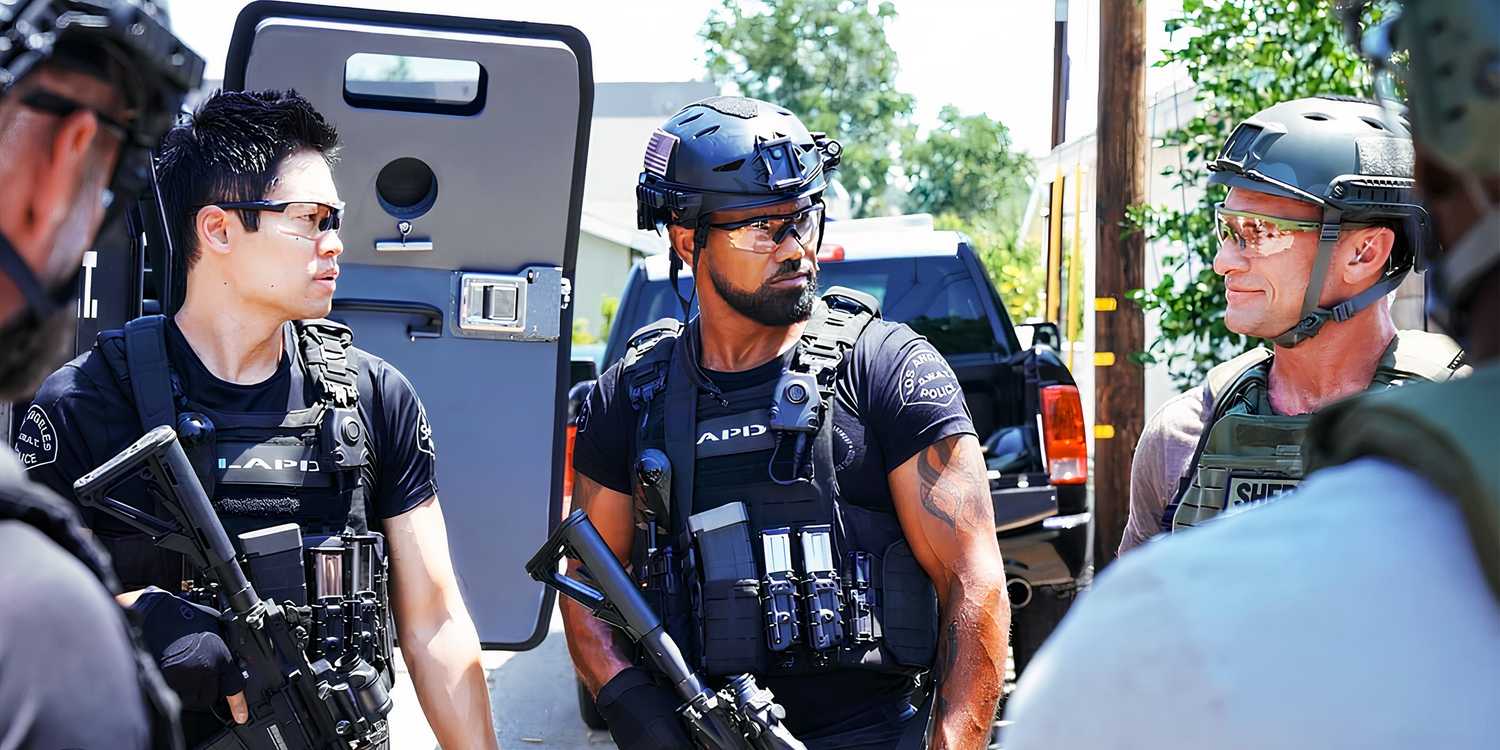
“Movie Hondo vs TV Hondo: Why Fans Still Debate the Ultimate S.W.A.T. Leader” dt02
The world of S.W.A.T. and the earlier film adaptation continues to spark debate among fans, especially when it comes to one key question: who is the ultimate version of Hondo? Over the years, viewers have compared the portrayals of the iconic SWAT leader in the movie and on television, discussing which version best represents the character’s leadership, personality, and impact.
At the center of the conversation are two performances: Samuel L. Jackson in the 2003 action film S.W.A.T. and Shemar Moore in the modern television series. Both actors brought their own style to the role of Daniel ‘Hondo’ Harrelson, creating two memorable interpretations that fans still passionately compare.
The movie version: a tough veteran leader
In the 2003 film, Samuel L. Jackson’s portrayal of Hondo was defined by experience, authority, and a no-nonsense leadership style. His character was introduced as a seasoned officer tasked with rebuilding an elite SWAT team after internal conflicts within the department.
Jackson’s Hondo commanded respect immediately. He was tough, confident, and often blunt with his team members. The film emphasized discipline, teamwork, and the pressure of leading officers in dangerous missions.
One of the reasons fans admire this version is the commanding presence Jackson brought to the role. His performance made Hondo feel like a battle-hardened mentor who expected excellence from every member of his team.
The television version: a leader with heart
Years later, the television series introduced a new interpretation of the character through Shemar Moore. His version of Hondo is also a skilled tactical leader, but the series explores much more of the character’s personal life and moral struggles.
Moore’s portrayal places Hondo at the center of complex social and community issues. As a Black officer working within law enforcement, the character often finds himself balancing loyalty to his team with his responsibility to the community he grew up in.
This emotional depth allows viewers to see a different side of Hondo—not just a tactical commander, but a man constantly navigating difficult ethical decisions.
Leadership styles compared
Fans often debate the leadership styles of the two versions. Jackson’s Hondo represents the classic action-film commander: disciplined, commanding, and focused on mission success.
Moore’s Hondo, meanwhile, leads through empathy and understanding as well as strength. He spends more time mentoring younger officers and considering the broader consequences of police work.
Because the television format allows for long-term storytelling, the audience gets to see his character grow, make mistakes, and evolve over time.
Action hero vs character-driven storytelling
Another major difference between the two versions comes from the storytelling format itself. The 2003 film focuses heavily on fast-paced action, intense training sequences, and a high-stakes mission involving a dangerous fugitive.
The TV series, on the other hand, balances action with deeper character development. Episodes explore the personal lives of the SWAT team members, their families, and the emotional toll of their work.
For some fans, the movie’s high-energy action makes Jackson’s Hondo the ultimate SWAT commander. Others prefer the complexity and emotional depth that Moore brings to the character on television.
Why fans still debate the “real” Hondo
The debate continues largely because both performances are strong in very different ways. Samuel L. Jackson delivered a powerful and iconic action-movie leader, while Shemar Moore transformed the character into a fully developed protagonist over multiple seasons.
Each version reflects the storytelling style of its era. The film represents early-2000s action cinema, while the TV series reflects modern television’s focus on character-driven drama and social themes.
Fans who enjoy classic action films often gravitate toward Jackson’s version, while viewers invested in long-running character arcs tend to prefer Moore’s interpretation.
A character that continues to evolve
Despite the differences, both portrayals share the core qualities that define Hondo: courage, loyalty, and a deep commitment to protecting others. These traits are what have allowed the character to remain popular across different versions of the story.
Whether leading a SWAT team in a high-octane film or navigating complicated moral decisions in a television series, Hondo remains one of the most compelling leaders in modern action storytelling.
The ultimate answer may be both
In the end, many fans believe the debate does not need a clear winner. Instead, both actors contributed something unique to the legacy of the character.
Samuel L. Jackson’s performance helped establish Hondo as a memorable action hero, while Shemar Moore expanded the role into a complex and emotionally layered television character.
Together, these two portrayals show how one character can evolve across different formats while still inspiring audiences with courage, leadership, and determination.
For fans of the S.W.A.T. universe, that may be the real reason the debate never truly ends. 🚔🎬