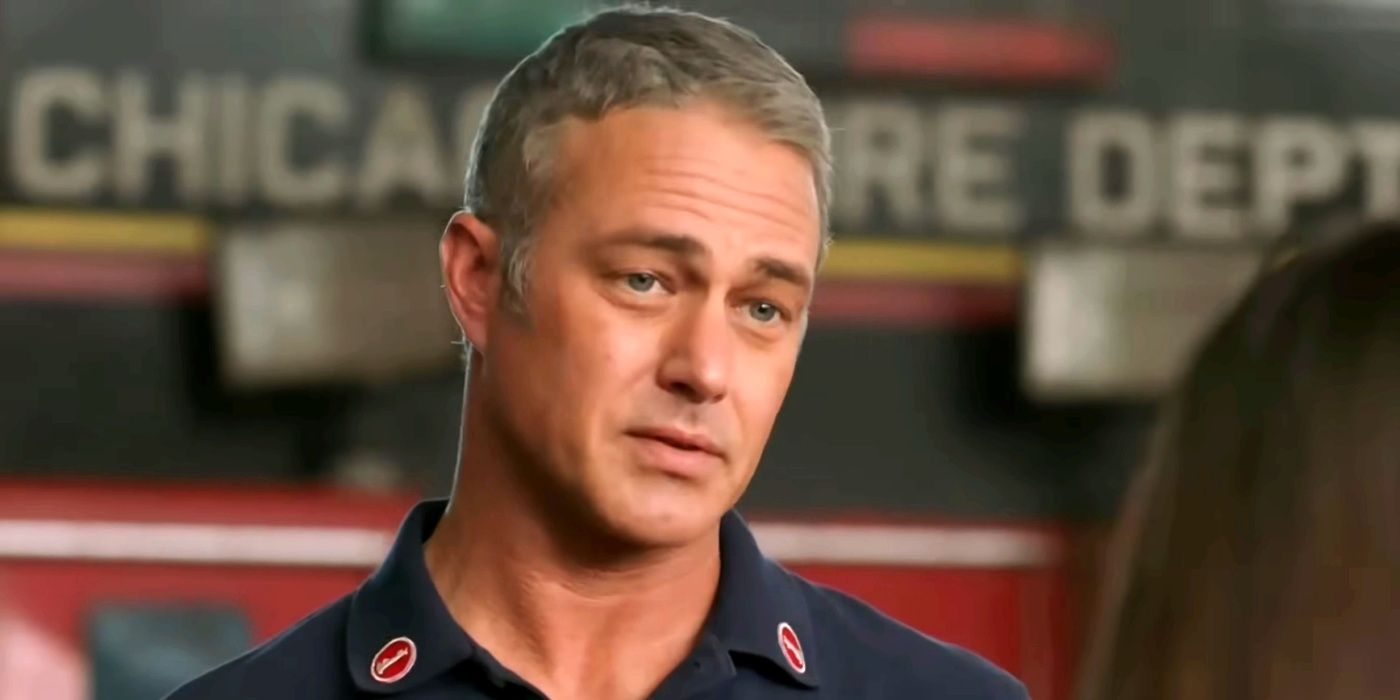
At Last! Chicago Fire Brings Kelly Severide’s Long-Awaited Story to Life
At long last, Chicago Fire delivers on one of its most anticipated character arcs, finally bringing Kelly Severide’s long-awaited story to life—and the payoff is nothing short of powerful. For years, Severide has stood as one of the most complex and compelling figures in the One Chicago universe, portrayed with depth and intensity by Taylor Kinney. Now, the series is giving him the spotlight he truly deserves, diving deeper into his past, his struggles, and the emotional weight he carries beneath his confident exterior.
From the very beginning, Severide has been more than just a fearless firefighter. As the leader of Squad 3, he’s known for his sharp instincts, unwavering courage, and ability to make split-second decisions in life-or-death situations. But behind that strength lies a character shaped by loss, pressure, and a constant battle between duty and personal fulfillment. Over the seasons, fans have caught glimpses of this internal conflict, but never quite the full picture—until now.
This new storyline marks a turning point. Instead of focusing solely on high-risk rescues and adrenaline-fueled action, Chicago Fire shifts its lens inward, exploring the emotional and psychological layers that define Severide. It’s a bold move, and one that pays off by adding depth not only to his character but to the entire series.
A key element of this arc is Severide’s past—particularly the unresolved issues that have followed him for years. Whether it’s family dynamics, past relationships, or the lingering impact of traumatic calls, these experiences have shaped who he is today. The show doesn’t shy away from confronting these moments. Instead, it leans into them, allowing Severide to face truths he’s long avoided.
What makes this storyline especially compelling is how it balances vulnerability with strength. Severide is not portrayed as broken, but as human. He struggles, he questions himself, and at times, he falters. Yet through it all, his resilience remains intact. This nuanced portrayal adds a level of authenticity that resonates deeply with viewers.
Of course, no Severide storyline would be complete without examining his relationships—particularly with those closest to him at Firehouse 51. His bond with his colleagues has always been a cornerstone of the series, but now those relationships are being tested in new ways. Trust, loyalty, and emotional support all come into play as Severide navigates this challenging chapter.
There’s also a noticeable shift in how others perceive him. While he’s long been seen as a natural leader, this arc forces those around him to see a different side—one that isn’t always in control. This creates moments of tension, but also opportunities for growth, both for Severide and the team as a whole.
One of the most impactful aspects of this storyline is its pacing. Rather than rushing through key developments, the show allows moments to breathe. Conversations feel more meaningful, silences carry weight, and every decision Severide makes feels consequential. This deliberate approach enhances the emotional impact, making each scene more memorable.
Fans have been waiting a long time for this level of character exploration, and the response has been overwhelmingly positive. Social media discussions highlight just how invested viewers are in Severide’s journey, with many praising the show for finally giving him the narrative depth he deserves. It’s a reminder of how powerful character-driven storytelling can be when done right.
At the same time, the storyline doesn’t lose sight of what makes Chicago Fire so engaging. The action is still there—intense rescues, dangerous situations, and high-stakes emergencies continue to drive the plot forward. But now, those moments carry additional emotional weight, as viewers understand more about what’s at stake for Severide personally.
This development also sets the stage for future storylines. By addressing long-standing questions and unresolved tensions, the show opens the door for new directions. Severide’s journey is far from over—in fact, it feels like it’s just entering a new phase. One where his past no longer defines him, but informs the choices he makes moving forward.
Ultimately, this long-awaited storyline is more than just a character spotlight—it’s a defining moment for Chicago Fire as a whole. It demonstrates the series’ ability to evolve, to take risks, and to prioritize emotional storytelling alongside action. For longtime fans, it’s a deeply satisfying payoff. For newer viewers, it’s an invitation to see why Severide remains one of the most beloved characters in the franchise.
And perhaps most importantly, it reinforces a simple truth: even the strongest heroes have their battles—and sometimes, the most powerful stories are the ones that happen beneath the surface.