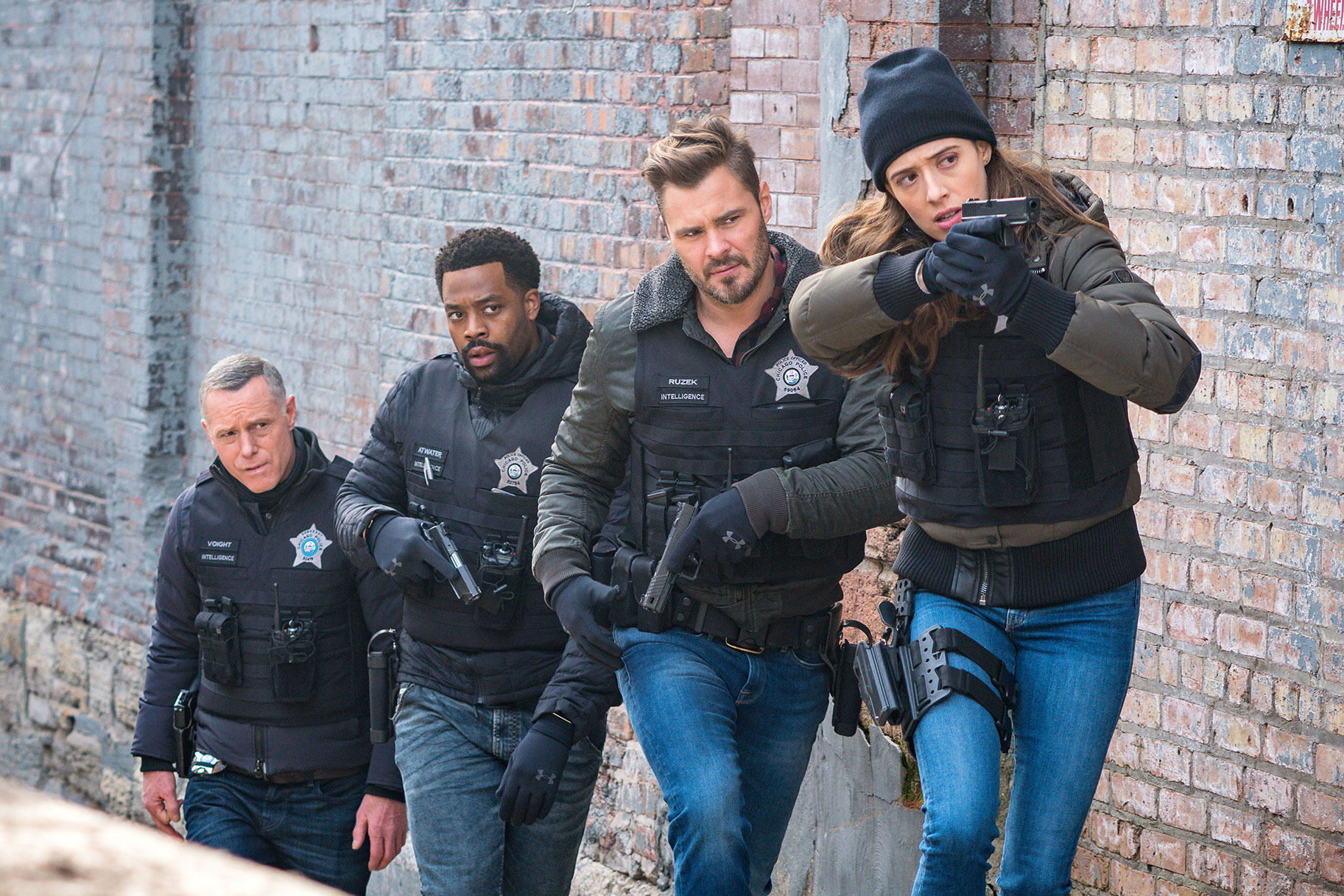
Amy Morton and Jason Beghe Spark Special Connection Rumors Fans of Chicago P.D. Left in Suspense
Amy Morton and Jason Beghe Spark Special Connection Rumors: Fans of Chicago P.D. Left in Suspense
Rumors have been swirling among Chicago P.D. fans about a possible “special connection” between veteran cast members Amy Morton and Jason Beghe. Viewers who tune in every week to follow the lives and dramas of the Intelligence Unit have noticed the two actors — beloved for their portrayals of Desk Sergeant Trudy Platt and Sergeant Hank Voight — sharing scenes that some fans interpret as having unexpected chemistry. But what’s behind all the buzz? And what’s real versus speculative?
First, it’s helpful to understand who these actors are and the roles they play. Amy Morton portrays Trudy Platt, a long‑time Chicago police desk sergeant known for her grounded and maternal presence among the often tense and volatile detectives of the CPD Intelligence Unit. Morton’s performance has made Platt a stabilizing figure who often offers a listening ear or hard truth to her colleagues.
Jason Beghe, meanwhile, stars as Sergeant Henry “Hank” Voight, the brash and complex leader of the Intelligence Unit. Voight isn’t a conventional hero — he bends rules, clashes with colleagues and often operates in morally gray territory to get results. Beghe has portrayed Voight since the show’s inception, anchoring many of the series’ most intense and personal storylines.
Despite their very different character dynamics — Platt as the world‑weary mentor and Voight as the hardened command figure — recent fan discussions suggest viewers have noticed a perceived connection between them that goes beyond typical on‑screen working relationships. Some fans speculate that the way scripts have paired Platt and Voight in recent episodes hints at deeper camaraderie or emotional nuance that could evolve into something more. This has left many viewers rooting for a storyline that places the two veterans’ characters at the forefront of relational development.
However, it’s important to distinguish fan interpretation from official storytelling. There is no verified source or interview from the show’s producers, writers, or either actor confirming a romantic or non‑professional relationship arc between Morton’s and Beghe’s characters. Much of the current buzz comes from viewers’ impressions on forums and social media rather than confirmed plot developments.
A key aspect of this speculation stems from the way Chicago P.D. scripts sometimes shift focus onto senior characters who offer contrasting worldviews. Platt’s empathetic pragmatism often complements Voight’s tough‑as‑nails persona, creating opportunities for meaningful dialogue and shared scenes that fans increasingly interpret as indicative of deeper respect or unspoken affinity. In ensemble dramas like Chicago P.D., these kinds of relationships can naturally emerge as fans search for emotional resonance between characters they’ve followed for years.
Nevertheless, fans should remember that strong on‑screen chemistry doesn’t always translate into narrative intent. Writers often create compelling interactions between characters to build drama, explore thematic contrasts, or reveal new facets of personality — not necessarily to set up new romantic arcs. While Platt and Voight do share history and mutual respect in the series, this alone is not definitive evidence of a romantic storyline.
Another factor contributing to the rumors is the actors’ long tenure on the series. Both Morton and Beghe have been part of Chicago P.D. for many seasons, and fans naturally become invested in their on‑screen journeys. Their shared experience and frequent collaborative scenes can make any strong interaction stand out, especially to viewers who look forward to every episode. Long‑running series often build layered relationships between veteran characters, and fans — especially dedicated ones — love to analyze every nuance.
Despite the rumors, there’s no credible reporting that the show’s creators intend to pivot toward a romantic storyline between Platt and Voight. Official press materials, production notes, and interviews have focused more on individual character arcs, case dynamics and broader team storylines rather than any imminent shift toward an unexpected pairing of Morton’s and Beghe’s characters. For example, episodes highlighted in recent interviews emphasize emotional growth, personal challenges, and team cohesion over interpersonal romance.
Moreover, while Chicago P.D. is known for deeply emotional and occasionally surprising character developments, the show’s heart has often been its portrayal of professional bonds forged under pressure and shared commitment to justice. Fans keen to see more personal depth for characters like Platt and Voight are not alone — many long‑time viewers appreciate the idea of seeing more of these characters’ lives outside of their work. Yet, until there’s official confirmation from the show’s writers or network, fans’ interpretations remain just that: theories and hopes.
It’s also worth noting that sometimes fan speculation is fueled simply by enthusiasm and the desire to keep narratives fresh and exciting. Long‑running dramas can occasionally feel predictable, and the idea of seeing two well‑loved but distinct characters explore a new dimension adds energy to fan discussions even if it doesn’t reflect actual script decisions. Fans often create elaborate theories that are far more dramatic or emotionally layered than what ends up on screen — and that’s part of the fun of being part of an engaged viewership.
In fact, Chicago P.D. has a long track record of surprising viewers with narrative twists that are unpredictable yet grounded in character history. From major betrayals to emotional reunions, the show thrives on its ability to balance police procedural elements with compelling personal drama. Whether or not a possible Platt‑Voight connection grows into something more, the platform exists — within the narrative world of the show — for deep interpersonal dynamics to be explored as the series continues.
For now, fans should temper their expectations with the understanding that the rumor remains unverified and based largely on interpretation rather than confirmed storytelling direction. Neither NBC nor showrunners have announced plans for a romantic subplot between Trudy Platt and Hank Voight, and without official confirmation, it’s best to view discussions on forums as imaginative fan engagement rather than factual indication of upcoming episodes.
That said, the speculation itself reflects one thing clearly: audiences are deeply invested in these characters and their journeys. That emotional investment is the lifeblood of serialized dramas like Chicago P.D., which rely not just on crime stories but on viewers caring about the lives and relationships of the people who bring these stories to life.
In the end, whether or not Amy Morton and Jason Beghe’s characters ever explore a “special connection” on screen, fans’ enthusiasm demonstrates the lasting appeal of Chicago P.D. and the emotional resonance its characters hold. As the series continues, viewers will no doubt keep watching closely — dissecting every meaningful look, every shared conversation, and every moment that might hint at something deeper, all while enjoying the gripping storytelling that has kept them engaged season after season.