A SOLDIER FORGOTTEN: Hondo’s STAND Against Injustice!
A SOLDIER FORGOTTEN: Hondo’s Stand Against Injustice
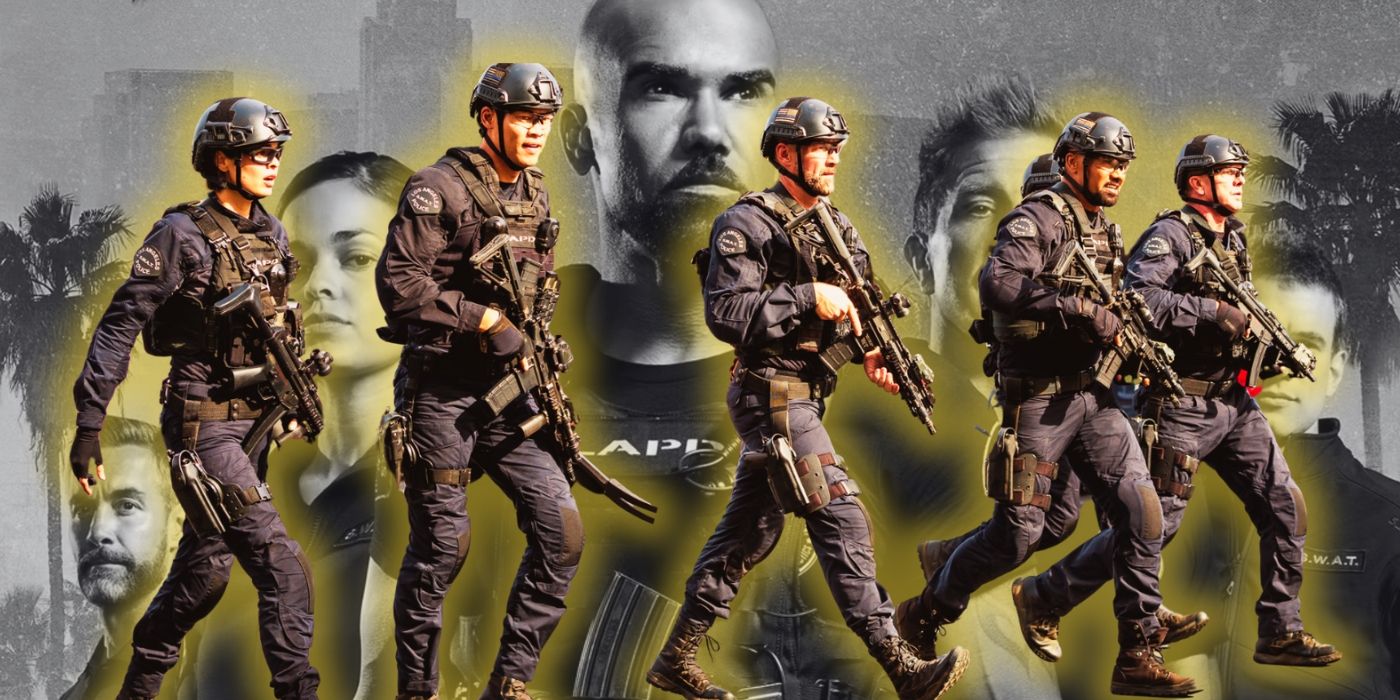
In the world of high-stakes action and complex moral dilemmas, few characters embody the spirit of justice quite like Sergeant Daniel “Hondo” Harrelson from the hit television drama S.W.A.T.. Portrayed with strength and emotional depth by Shemar Moore, Hondo has become a symbol of leadership, loyalty, and the courage to challenge injustice—even when doing so puts his own career at risk.
Among the many powerful storylines that have defined the series, the idea of “A Soldier Forgotten” captures one of the most emotional themes explored within the show’s universe: the struggle of veterans and heroes who feel abandoned after their service ends.
In this imagined storyline, Hondo encounters a situation that strikes deeply at his sense of honor.
The episode begins when Hondo and his SWAT unit respond to a tense situation involving a distressed man who has barricaded himself inside a building. As negotiations begin, the team quickly learns that the man is not a typical suspect. Instead, he is a former soldier—someone who once risked his life for his country but now finds himself struggling to survive in a world that seems to have forgotten him.
The man’s story unfolds slowly during the standoff.
Years earlier, he served bravely in the military, completing dangerous missions and earning the respect of his fellow soldiers. But after returning home, he faced challenges that many veterans experience: difficulty finding work, untreated trauma, and the painful feeling that the sacrifices he made were no longer remembered.
When the system that was supposed to support him failed, he slipped through the cracks.
Now desperate and overwhelmed, he has reached a breaking point.
As the SWAT team prepares to handle the situation using standard tactical procedures, Hondo senses something deeper beneath the surface. Rather than seeing the man as a criminal, he sees someone who has been pushed too far by circumstances beyond his control.
Hondo decides to take a different approach.
Stepping forward as the negotiator, he begins speaking directly to the former soldier, addressing him not as a threat but as a fellow protector—someone who once served the same purpose of defending others.
This moment becomes the emotional core of the story.
Hondo acknowledges the man’s sacrifices and reminds him that his service still matters. He speaks about respect, dignity, and the importance of not letting pain destroy the values that once defined him.
For the SWAT team watching from a distance, the exchange is powerful.
Instead of the typical high-speed action viewers might expect, the tension comes from the emotional weight of the conversation. Hondo’s calm voice and sincere words slowly begin to break through the walls of anger and despair surrounding the former soldier.
The man reveals that he felt invisible after returning home.
Despite everything he endured during his military service, he struggled to access the support he needed. Friends moved on, opportunities disappeared, and the sense of purpose that once guided his life faded away.
Hondo listens carefully, understanding that sometimes people simply need to be heard.
Drawing from his own experiences as a leader and as someone who has often navigated the complex relationship between authority and community, Hondo reminds the man that his story is not over. He encourages him to step away from the situation and accept help rather than letting anger define his future.
The conversation becomes a turning point.
After moments of silence filled with uncertainty, the former soldier finally lowers his weapon and surrenders peacefully. The crisis ends not with violence but with compassion—something that perfectly reflects the deeper message of S.W.A.T.
For Hondo, the incident leaves a lasting impact.
Back at headquarters, he begins advocating for better support systems for veterans and individuals who struggle after dedicating their lives to service. He recognizes that law enforcement often encounters people who are not simply criminals but individuals dealing with unresolved trauma and systemic failures.
The episode sparks conversations among the team as well.
Each member reflects on the idea that strength is not only about tactical skill but also about empathy and understanding. Sometimes the bravest action a leader can take is choosing dialogue over force.
This storyline highlights one of the reasons why S.W.A.T. has remained such a compelling series.
While the show delivers intense action and thrilling missions, it also explores real-world issues that resonate with audiences. Themes like community trust, social responsibility, and the treatment of veterans give the show an emotional depth that goes beyond traditional action drama.
Through Hondo’s leadership, viewers see a character who believes that justice is not just about enforcing the law—it is about protecting people, even when they have lost their way.
The idea of “A Soldier Forgotten” reminds audiences that behind every crisis there may be a story of struggle, sacrifice, and missed opportunities for support.
By standing up for someone the system overlooked, Hondo demonstrates what true leadership looks like.
It requires courage, compassion, and the willingness to challenge injustice wherever it appears.
And that is exactly why Sergeant Daniel “Hondo” Harrelson remains one of the most powerful and inspiring figures in S.W.A.T.—a leader who refuses to forget those who once stood on the front lines. 🚨