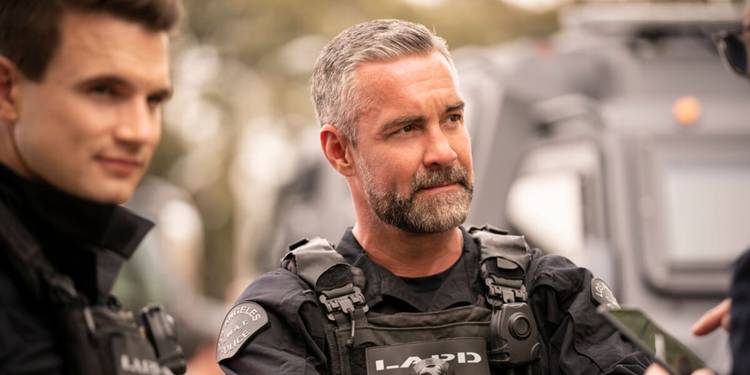
S.W.A.T. Fans Took Deacon For Granted… Until They Looked Back
S.W.A.T. Fans Took Deacon for Granted… Until They Looked Back
Longtime viewers of S.W.A.T. have recently been reflecting on the often-overlooked impact of Dominic “Deacon” Kay, realizing just how vital he was to the show’s dynamic and emotional depth. What may have seemed like a supporting role at first glance actually shaped some of the most memorable moments in Firehouse 20.
A Steady Hand in the Chaos
Deacon was more than just muscle or tactical expertise—he was the emotional anchor of the team. While Hondo often took center stage, Deacon’s insight, loyalty, and quiet courage kept the group grounded during high-pressure missions. Episodes that initially highlighted his side plots now read differently when fans look back, showing that his contributions were essential to both the success of operations and the cohesion of the team.
Key Moments Fans Remember
Over the series, Deacon has been involved in pivotal storylines that resonate more in hindsight:
- Acting as the moral compass when tough decisions needed balancing
- Providing unwavering support to teammates during personal crises
- Exhibiting quiet heroism during dangerous missions that often saved lives
Many fans admit they underestimated how integral Deacon was to the show’s emotional and tactical balance, only fully appreciating him when reflecting on past seasons.
Fans Realize His True Value
Social media has been filled with comments like:
- “I never realized how much Deacon kept the team together until I rewatched!”
- “He’s the glue of Firehouse 20. We took him for granted.”
- “Deacon’s quiet bravery is what made S.W.A.T. feel real and relatable.”
The retrospective appreciation highlights how the character added depth beyond action sequences, showing the human side of law enforcement teamwork.
Why Deacon Matters
Deacon’s presence reminded viewers that heroism isn’t always loud or dramatic—it’s sometimes measured in loyalty, wisdom, and steady support. Without him, the team would have lacked crucial balance, and many key storylines might have faltered. His character development also allowed viewers to see the personal side of life in a high-stakes unit, including friendships, sacrifices, and ethical dilemmas.
Looking Back at S.W.A.T.
Fans rewatching episodes are now noticing the subtleties of Deacon’s influence: the reassuring words, small gestures, and moments of quiet heroism that often went unnoticed in the thrill of action-packed scenes. It’s a reminder that supporting characters can be just as vital as the lead, and sometimes their absence—or lack of focus—leaves a significant void.
Final Thoughts
While Hondo naturally grabbed the spotlight, Deacon quietly shaped the heart and soul of S.W.A.T.. Fans’ newfound appreciation proves that supporting characters often carry as much weight as the heroes, leaving an enduring impact that becomes clearer with hindsight.
In Firehouse 20, Deacon wasn’t just a teammate—he was the glue that held the unit together, a hero whose subtle strength deserved more recognition than he initially received.