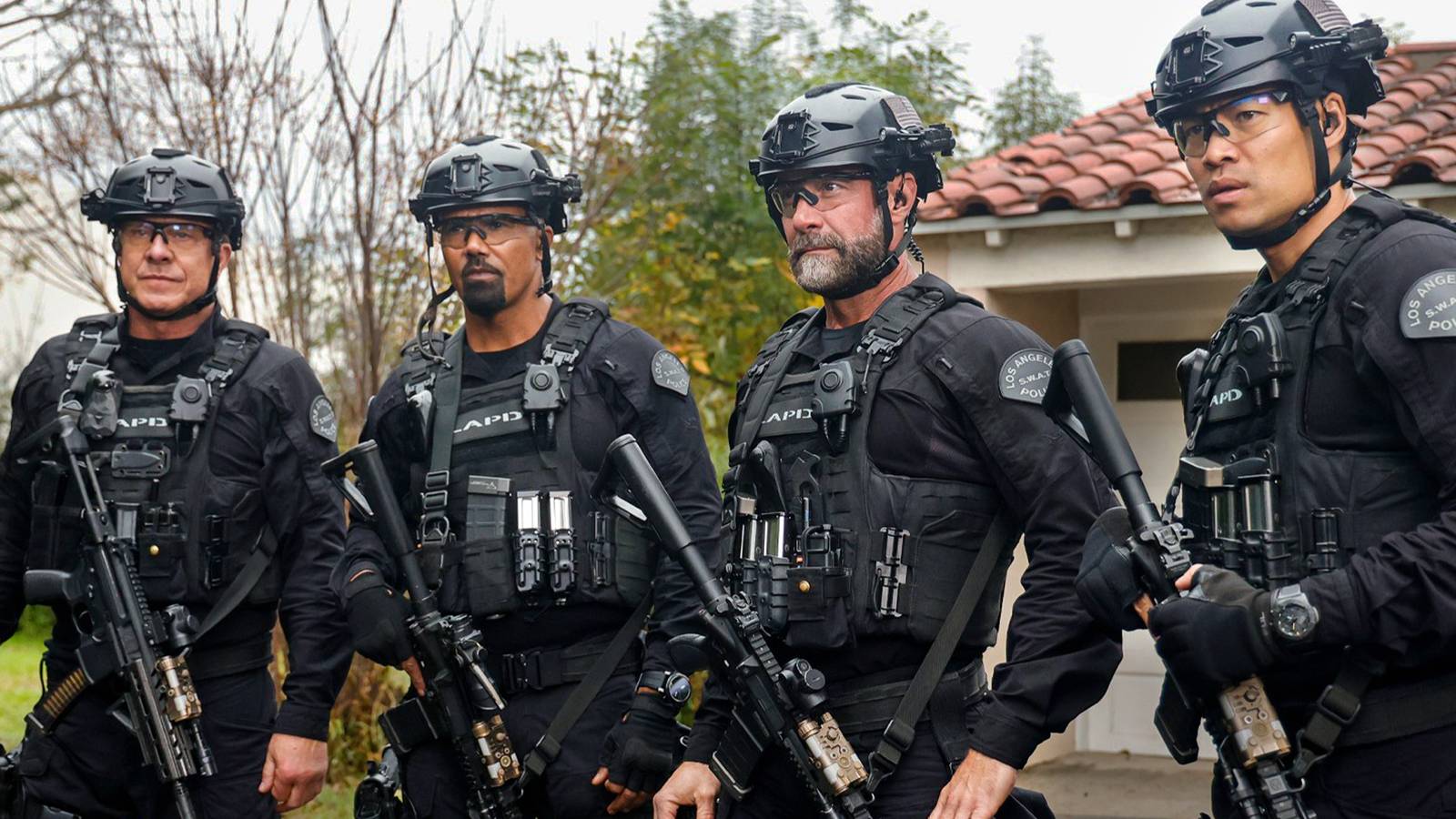
From Cancellation to Comeback: How S.W.A.T. Keeps Surviving Hollywood
From Cancellation to Comeback: How S.W.A.T. Keeps Surviving Hollywood
In the cutthroat world of television, few shows manage to survive repeated industry shakeups, shifting audience tastes, and the constant threat of cancellation. Yet S.W.A.T. has repeatedly defied the odds, returning season after season and keeping fans engaged with high-octane action, compelling storytelling, and complex characters. From near-cancellation scares to triumphant comebacks, S.W.A.T. provides a case study in resilience and adaptability in Hollywood.
⚡ Early Challenges and Survival Instincts
When S.W.A.T. premiered, the show faced immense pressure. As a modern adaptation of a classic franchise, it needed to appeal to both longtime fans and a new audience, blending nostalgia with fresh narratives. Critics and viewers initially questioned whether the series could balance procedural action with character development, and ratings during the first episodes were closely scrutinized.
Despite these challenges, the series quickly found its footing. Strong performances from the ensemble cast, led by Shemar Moore as Sergeant Daniel “Hondo” Harrelson, helped establish credibility. The combination of emotional depth, high-stakes missions, and social commentary allowed S.W.A.T. to differentiate itself from other police dramas.
Over time, the show developed a loyal fanbase that appreciated both its action sequences and its willingness to explore real-world issues, from community relations to the personal struggles of law enforcement officers. This fan loyalty proved crucial when the series faced cancellation rumors — strong audience support helped convince networks to keep the show alive.
🔄 The Comeback Formula
So how has S.W.A.T. managed repeated comebacks? Several factors have contributed to its survival:
- Character-Centric Storytelling: The show focuses on the personal lives, ethics, and emotional growth of its team members. By emphasizing character arcs alongside action, viewers develop attachment to the team, making them invested in the show’s continuation.
- Top-Tier Action Sequences: Each episode delivers carefully choreographed tactical missions, car chases, and standoffs that provide adrenaline-pumping entertainment. These sequences help attract viewers who crave high-octane drama.
- Relevant Social Themes: Episodes often explore contemporary social issues, including community-police relations, systemic challenges in law enforcement, and personal moral dilemmas. These storylines add depth, making the show more than just an action drama.
- Flexibility in Storytelling: The writers have successfully balanced serialized storytelling with procedural elements, allowing both casual viewers and dedicated fans to stay engaged. This flexibility has helped the show maintain steady ratings despite changing network priorities.
- Strong Ensemble Cast: Characters like Hondo, Chris Alonso (portrayed by Louis Ferreira), and Dominique Luca (Kenny Johnson) provide chemistry and emotional resonance. Their performances create investment in the series beyond plotlines and action.
📈 Ratings, Renewals, and Fan Loyalty
Despite industry volatility, S.W.A.T. has consistently earned respectable ratings, a key factor in network decisions. While not always topping charts, the show benefits from strong streaming performance and delayed viewing metrics, which have become increasingly important in modern television evaluations. Networks recognize that a loyal audience base can translate into long-term profitability, and S.W.A.T.’s ratings show that viewers keep returning for more.
Fan engagement has played a critical role in the show’s comebacks. Social media campaigns, trending hashtags, and fan petitions during rumored cancellation periods demonstrated the audience’s dedication. These efforts often influence network decisions, showing that a passionate fanbase can be a show’s lifeline.
🏆 Critical Recognition and Cultural Impact
In addition to its entertainment value, S.W.A.T. has earned praise for its nuanced approach to law enforcement storytelling. While action-packed, the series also examines the ethical and emotional challenges faced by officers, providing perspective on modern policing. Episodes tackling sensitive topics, such as implicit bias and personal trauma, have elevated the series beyond typical cop dramas.
This recognition helps justify renewals, as networks increasingly consider cultural relevance and critical reception alongside raw ratings numbers. By blending entertainment with thoughtful storytelling, S.W.A.T. maintains credibility and industry support.
🔄 Adapting to Industry Shifts
Television is a constantly evolving landscape, with streaming services, social media, and audience fragmentation creating new challenges for traditional network shows. S.W.A.T. has adapted by ensuring episodes are binge-friendly, promoting online engagement, and integrating topical storylines that resonate with contemporary audiences.
The show’s production team has also been responsive to feedback, adjusting character focus and narrative arcs based on viewer response. This adaptability demonstrates a keen understanding of what keeps audiences returning — a crucial factor in a market crowded with content options.
💡 Lessons from S.W.A.T.’s Comebacks
The repeated survival of S.W.A.T. offers lessons for television production and storytelling:
- Invest in Characters: Strong, relatable characters create long-term audience loyalty that can sustain a show through ratings dips or industry changes.
- Balance Action with Depth: High-stakes sequences attract viewers, but emotional resonance ensures they stay invested.
- Leverage Fan Engagement: Active fan communities can influence renewal decisions and demonstrate a show’s cultural relevance.
- Stay Relevant: Addressing contemporary issues and adapting storytelling strategies keeps a show meaningful and newsworthy.
- Adapt Across Platforms: Success today often requires multi-platform presence, including streaming and social media, to engage modern audiences effectively.
🌟 Looking Forward
As S.W.A.T. enters new seasons, it continues to refine the balance between explosive action, character-driven drama, and socially conscious storytelling. Rumors of spin-offs or expanded storylines hint at a willingness to grow the franchise, while the main show remains committed to the core team at Firehouse 51.
Fans can expect more intense missions, moral dilemmas, and character development, ensuring that S.W.A.T. remains both entertaining and relevant. The show’s ability to survive Hollywood turbulence while maintaining quality is a testament to the creative team, cast, and, crucially, the loyal audience that refuses to let it fade away.
✅ Conclusion
From early challenges to cancellation scares and triumphant comebacks, S.W.A.T. exemplifies resilience in Hollywood. By combining compelling characters, thrilling action, and thoughtful social commentary, the series has built a dedicated fanbase that helps ensure its survival. The story of its comebacks is more than just entertainment; it is a case study in how strong storytelling, audience engagement, and adaptability can help a television series endure against the odds.
For viewers and industry watchers alike, S.W.A.T. remains a powerful example of how shows can thrive — even in a rapidly changing television landscape — and why Firehouse 51 continues to be a cornerstone of